

SCIATICA
Sciatica is a painful condition caused by irritation or compression of the sciatic nerve — the largest nerve in the body. This nerve runs from the lower back, through the hips, and down each leg. When irritated, it can cause sharp, burning, or radiating pain along its path.
At Pinnacle Hill Chiropractic, we take a comprehensive, conservative approach to relieving sciatic pain, addressing both the immediate discomfort and the underlying cause.
Conservative Care for Sciatica
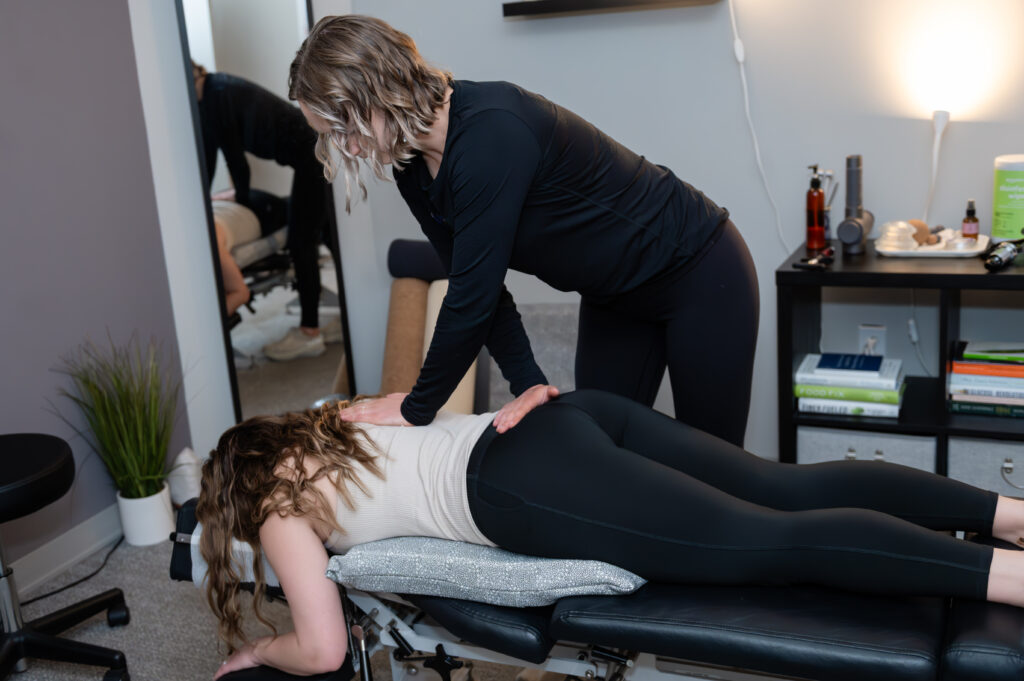
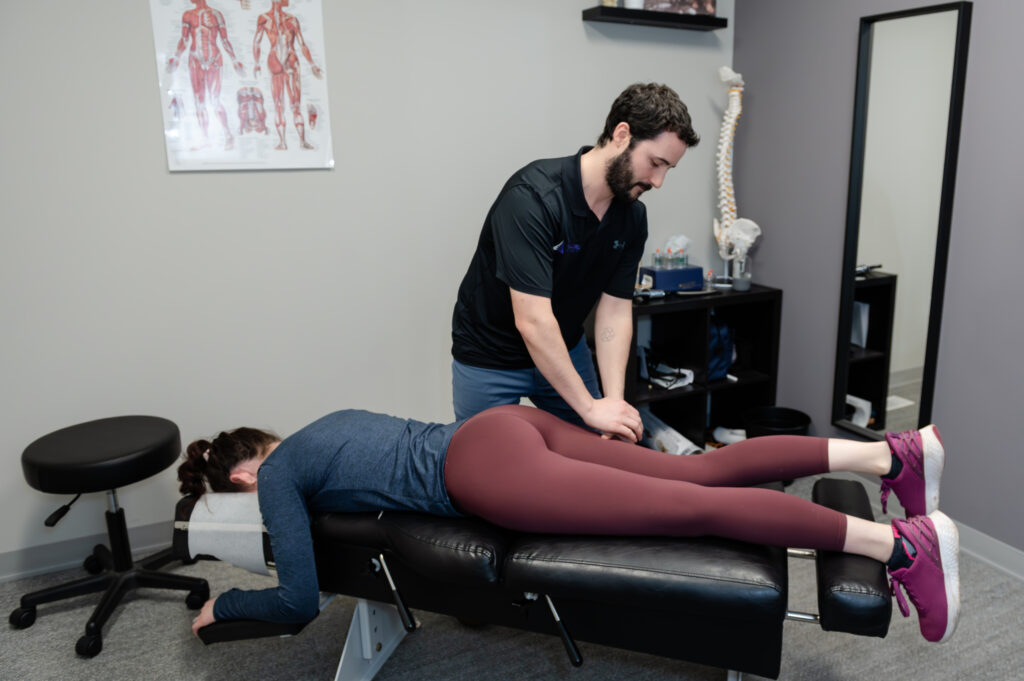
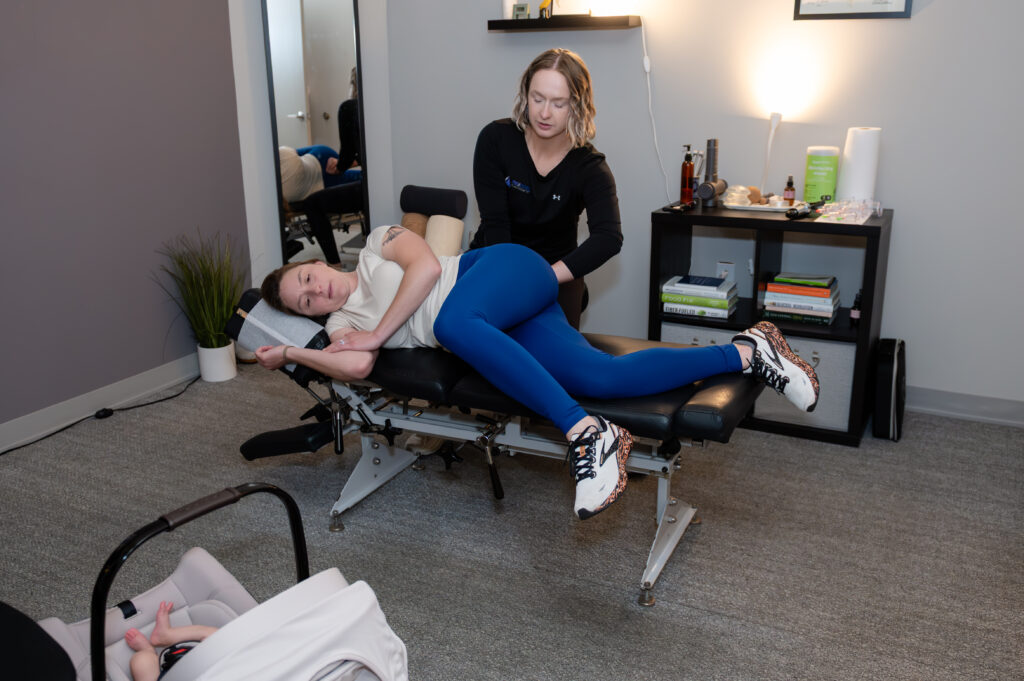
Chiropractic care and soft tissue therapy can be highly effective in managing sciatica by reducing pressure on the sciatic nerve, improving joint motion, and releasing muscle tension. Because sciatica often stems from disc injuries, joint restrictions, or muscle imbalances, our treatments go beyond short-term pain relief, focusing instead on restoring normal function, improving movement, and preventing recurrence.
Benefits of Integrative Care for Sciatica
- Relief from radiating leg and back pain
- Improves lower back and hip mobility
- Relieves muscle tension and spasms
- Reduced inflammation and nerve irritation
- Improved posture and spinal mechanics
- Provides long-term relief through corrective care
- Personalized plans to reduce recurrence
Preventing Sciatica Recurrence
Sciatica often develops from disc injuries, poor posture, faulty movement mechanics, or repetitive strain that irritates the sciatic nerve. Our prevention-based approach helps patients maintain mobility and reduce the risk of flare-ups through:
- Core and stability strengthening to support spinal alignment and reduce pressure on the sciatic nerve
- Postural and ergonomic training to improve sitting and standing habits and decrease daily strain
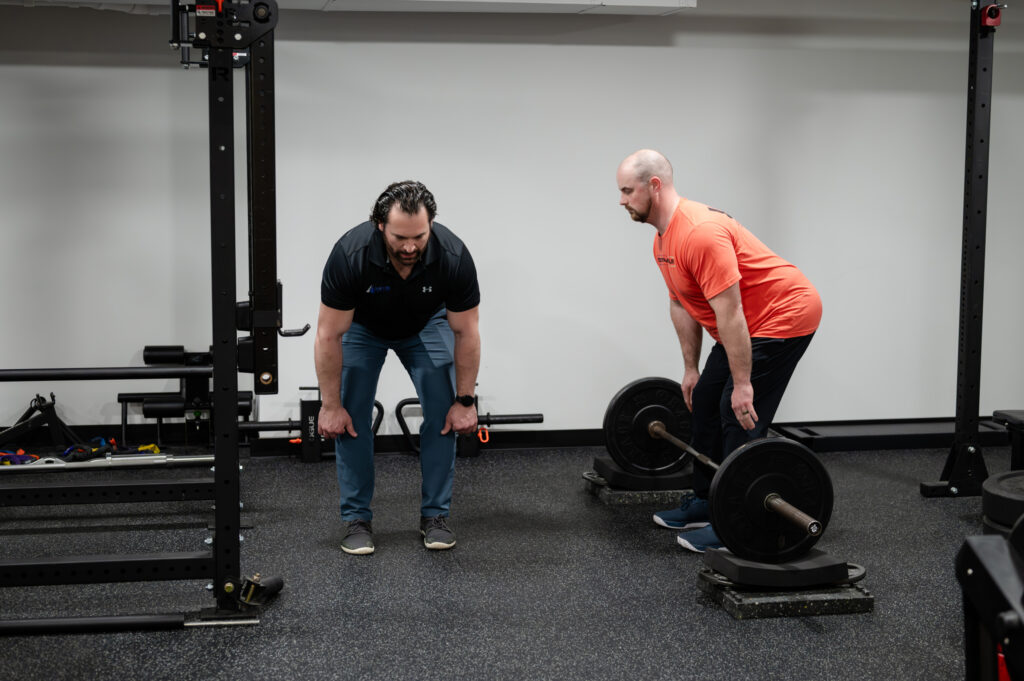
- Safe lifting and movement techniques to protect the lower back during work, exercise, and everyday activities
- Stress management and lifestyle habits to reduce muscle tension and promote long-term nervous system health
Common Symptoms of Sciatica
- Sharp, burning, or shooting pain radiating from the lower back into the buttock, leg, or foot
- Numbness, tingling, or weakness in the leg or foot
- Pain that worsens with sitting, bending, lifting, or prolonged standing
- Muscle weakness or cramping in the affected leg
- Difficulty standing up straight or walking comfortably
What Causes Sciatica?
- Herniated or bulging discs
- Spinal joint dysfunction
- Muscle imbalances (such as tight piriformis muscles)
- Weak lumbar spinal and core stabilizers
- Poor posture or repetitive movement strain
- Pregnancy-related postural changes
- Disc derangements
Who Can Benefit from Sciatica Treatment?
Sciatica treatment is beneficial for:
- Individuals experiencing radiating back and leg pain or numbness
- People with recurring low back pain tied to nerve irritation
- Pregnant individuals experiencing sciatic nerve pressure
- Athletes with chronic hip or lumbar tightness
- Workers with prolonged sitting or repetitive movement demands
- Anyone looking to avoid reliance on pain medication or surgery
Our Integrated Treatment Approach
We begin with a thorough evaluation of your spine, hips, and posture to identify movement restrictions, muscular imbalances, and contributing factors to your symptoms. From there, our providers develop a personalized treatment plan that may include:
- Chiropractic Adjustments: Restore motion in restricted spinal joints and reduce nerve irritation.
- Massage Therapy: Target muscle tension and improve circulation to relieve protective spasms in the lower back and legs.
- Nutrition Counseling: Dr. Rachel Stummer (MS in Clinical Nutrition) provides individualized anti-inflammatory nutrition guidance to support tissue healing and long-term spinal health.
- Infrared Sauna Therapy: Promotes circulation, decreases stiffness, reduces inflammation, and supports relaxation.
By integrating these evidence-based therapies, our team helps patients restore spinal function, reduce pain, and support sciatica recovery.
Techniques & Modalities We Use
Hands-On Techniques
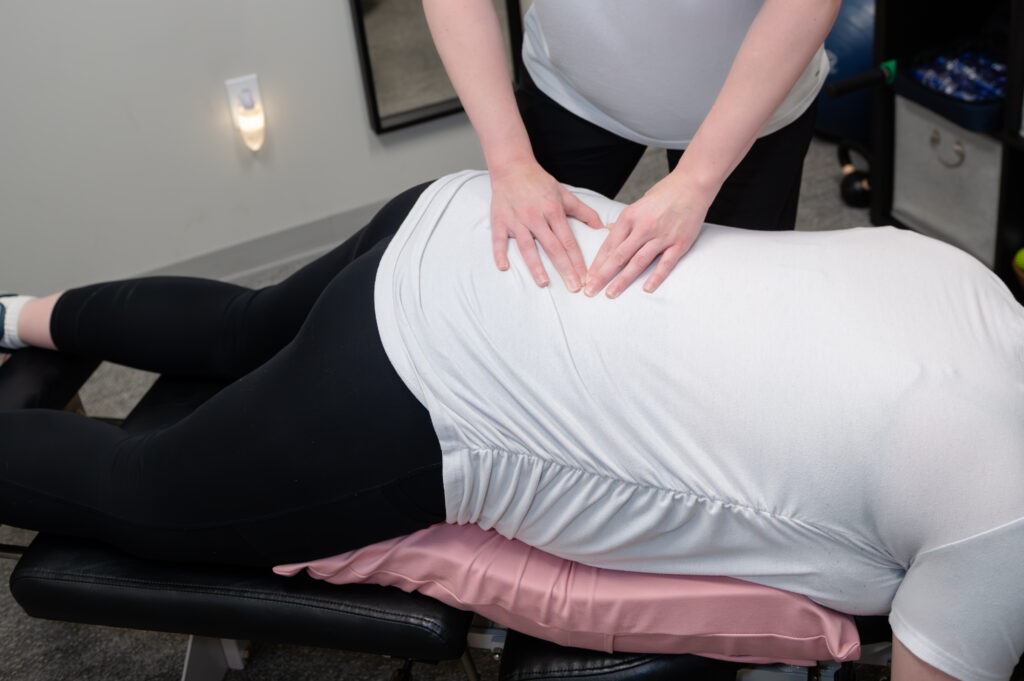
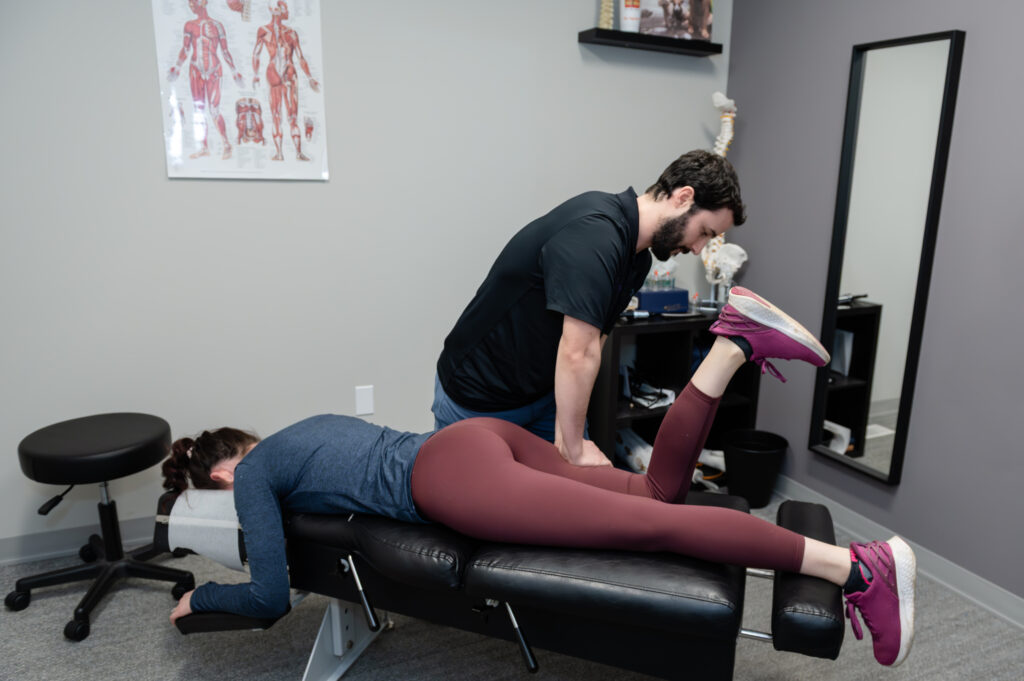
- Chiropractic Adjustments & Mobilizations – Improve lumbar spine and pelvic alignment to reduce nerve irritation
- McKenzie Method Assessment & Exercise – Classify symptoms and guide treatment using this research-backed approach for disc- and nerve-related pain
- Soft Tissue Therapy & Myofascial Release – Relieve tight muscles and reduce tension in the lower back, glutes, and legs
- Cupping & Instrument-Assisted Soft Tissue Therapy – Improve circulation and reduce inflammation
- Sciatica-Specific Rehabilitation Exercises – Strengthen core and hip muscles for long-term stability
- Stretching & Strengthening Programs – Correct muscular imbalances for long-term spinal stability
- Postural Correction Strategies – Address biomechanical issues that contribute to sciatica
Supportive Modalities
- Lifestyle & Ergonomic Modifications – Develop sustainable movement and posture habits for pain prevention
- Massage Therapy – Provide complementary soft tissue support and relaxation
- Nutritional Strategies – Reduce inflammation through evidence-based dietary guidance
- Infrared Sauna Therapy – Promote relaxation, decrease pain, and improve mobility
Ready to Find Relief?
Sciatica doesn’t have to hold you back from the activities you love. With personalized conservative care, most patients experience significant improvements in mobility and comfort without the need for invasive treatments.
Schedule an appointment and take the first step toward relief!
Frequently Asked Questions About Sciatica
For additional information, please refer to our Patient Information page.