

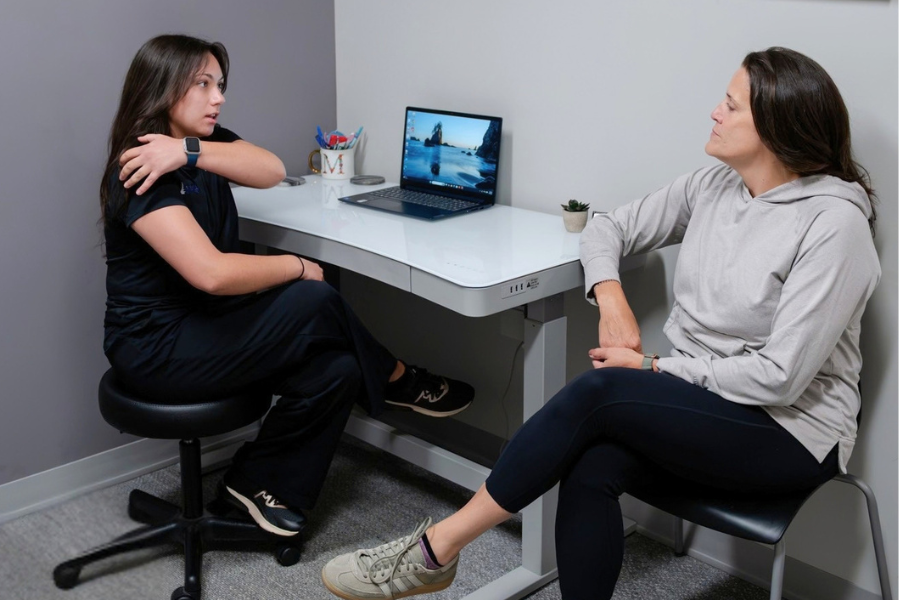
Preventive healthcare is the care you receive—and the healthy choices you make—to reduce health risks, identify potential concerns early, and protect your quality of life over time. Instead of waiting until a health problem significantly affects your daily life, prevention helps you take useful steps before that happens.
Preventive healthcare can include vaccinations, health screenings, dental care, movement assessments, nutrition counseling, regular physical activity, and conversations with healthcare professionals about your individual risks. It is not about predicting or preventing every possible illness or injury. It is about giving you better information, helping you make informed decisions, and increasing the likelihood that concerns will be addressed early.
Here is what preventive healthcare involves, why it is valuable, and how you can make it part of your everyday routine.
What Is Preventive Healthcare?
Preventive healthcare includes evidence-based services and habits intended to protect your health. Some measures reduce the chance of a problem developing, while others help identify a condition before noticeable symptoms appear.
The Centers for Disease Control and Prevention describes preventive care as including screenings, vaccinations, dental cleanings, and education or counseling that helps people make informed health decisions.
A simple way to understand preventive healthcare is to divide it into three categories.
1. Primary Prevention
Primary prevention aims to stop a health problem before it begins.
Examples include:
- Receiving recommended vaccinations
- Avoiding tobacco
- Wearing sunscreen and protective equipment
- Eating a balanced, varied diet
- Exercising regularly
- Using good lifting and workplace ergonomics
- Getting enough sleep
- Building strength, balance, and mobility
Primary prevention does not eliminate all risk. It can, however, reduce certain preventable risks and help you build a stronger foundation for health.
2. Secondary Prevention
Secondary prevention focuses on finding a potential problem early, sometimes before you notice symptoms.
Examples include:
- Blood pressure checks
- Cholesterol and blood sugar testing
- Recommended cancer screenings
- Dental examinations
- Vision and hearing tests
- Mental health and substance-use screening
- Movement or fall-risk assessments for appropriate patients
The exact services you need depend on your age, health history, family history, medications, pregnancy status, lifestyle, and other individual factors. The U.S. Preventive Services Task Force publishes evidence-based recommendations that you can discuss with your primary care provider.
3. Tertiary Prevention
Tertiary prevention begins after an injury or health condition has already developed. Its purpose is to reduce complications, improve function, and help keep the problem from becoming more limiting.
Examples may include:
- Rehabilitation after an injury
- Managing blood pressure or diabetes
- Exercises for recurring back pain
- Fall-prevention programs
- Support for returning to work, sports, or daily activities
- Strategies for managing a long-term health condition
This form of prevention recognizes that staying healthy is not always about avoiding a diagnosis. It can also mean protecting your independence, comfort, and ability to participate in the activities that matter to you.
Key takeaway: Preventive healthcare is not a single appointment. It is an ongoing combination of appropriate clinical care, informed choices, and sustainable everyday habits.
Why Is Preventive Healthcare Valuable?
Preventive healthcare helps shift your focus from reacting to problems toward understanding and managing risks. Although no preventive strategy can guarantee that you will remain illness- or injury-free, the right care can make an important difference.
It Can Identify Certain Problems Earlier
Many health concerns do not cause obvious symptoms at first. High blood pressure, elevated cholesterol, some cancers, and changes in blood sugar can develop quietly.
Recommended screenings may identify these issues before you would otherwise know they were present. Earlier detection can sometimes provide more treatment options or allow you to make meaningful changes sooner.
It Can Reduce the Risk of Preventable Illness
Vaccinations, tobacco cessation, physical activity, nutrition, and other preventive measures can lower the risk of certain diseases. These steps also support public health by reducing the spread or impact of some preventable illnesses.
The goal is not perfection. Small improvements practiced consistently can be more valuable than a demanding routine you cannot maintain.
It Helps You Understand Your Health
Preventive visits create an opportunity to discuss questions you might otherwise put off. Some questions to ask your providers include:
- Which screenings are appropriate for you?
- Does your family history change your risk?
- Is a medication affecting your sleep, balance, or activity?
- What type of exercise is safe for your current health?
- Are recurring aches changing the way you move?
- What signs should prompt a follow-up appointment?
Good preventive healthcare gives you context and a plan—not simply a list of test results.
It Can Help You Stay Active and Independent
Your ability to move comfortably affects much more than exercise. It influences whether you can work, sleep, play with your children or grandchildren, enjoy hobbies, travel, and complete everyday tasks independently.
Strength, balance, mobility, and confidence in movement are all important parts of long-term health. Addressing changes in these areas early may help you remain active and reduce avoidable limitations.
It Encourages a Long-Term Relationship With Your Healthcare Team
Seeing a healthcare professional only when something feels seriously wrong can leave important gaps in your care. An ongoing relationship allows your providers to understand your health history, recognize meaningful changes, and personalize recommendations.
People with a regular source of primary care are more likely to receive recommended preventive services such as vaccinations and health screenings, according to Healthy People 2030.
What Does Preventive Healthcare Look Like in Everyday Life?
Prevention does not need to take over your schedule. It is often built through ordinary choices repeated over time.
A practical preventive healthcare routine may include:
- Establishing primary care. Your primary care provider can help coordinate vaccinations, screenings, medications, and management of general health risks.
- Keeping up with recommended appointments. This may include medical, dental, vision, reproductive health, and other care based on your individual needs.
- Moving regularly. Combine aerobic activity, strength training, balance work, and mobility exercises in ways appropriate for your health.
- Eating for overall health. Focus on a varied pattern that includes vegetables, fruits, protein sources, whole grains, and other nutrient-rich foods.
- Making sleep a priority. A consistent schedule and comfortable sleep environment can support physical and emotional well-being.
- Managing stress. Relaxation, time outdoors, counseling, social connection, and enjoyable activity can all play a role.
- Paying attention to changes. Do not ignore persistent pain, unusual fatigue, unexplained weight changes, new weakness, or symptoms that interfere with daily life.
- Reducing injury risks. Use protective equipment, progress exercise gradually, lift carefully, and adjust your workspace when needed.
Practical tip: Choose one manageable preventive action this month. Schedule an overdue appointment, take a daily walk, review your workstation, or ask your healthcare provider which screenings are due.
How Does Chiropractic Care Fit Into Preventive Healthcare?
Chiropractic care is not a replacement for primary care, vaccinations, cancer screening, or treatment for conditions outside a chiropractor’s scope. It may, however, contribute to a broader preventive plan when the focus is on your muscles, joints, nerves, movement, function, and physical activity.
Depending on your needs, a chiropractic visit may include:
- A review of your symptoms and health history
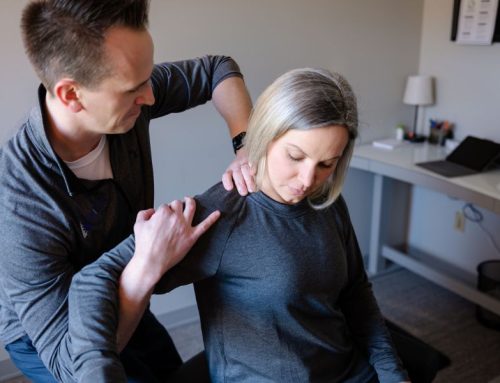
- Joint and muscle assessment
- Evaluation of mobility and movement patterns
- Advice on activity and exercise
- Workplace or lifting recommendations
- Rehabilitation for a current or recurring problem
- Guidance on gradually returning to activity
- Referral to another healthcare professional when appropriate
For example, imagine that you notice stiffness whenever you stand after a long workday. Waiting until the discomfort becomes severe is one option. A prevention-focused approach would involve assessing your workstation, changing positions regularly, building strength, adjusting your activity, and obtaining an evaluation if the problem persists.
Preventive chiropractic care should be based on your needs, goals, clinical findings, and response to treatment—not on the assumption that everyone requires the same schedule of visits.
Is Preventive Healthcare Only for People With Risk Factors?
No. Everyone can benefit from some form of prevention, although the appropriate services will vary.
A healthy young adult may focus on vaccinations, mental health, physical activity, dental care, and age-appropriate screening. Someone with a strong family history of a particular condition may need a different conversation with their medical provider. An older adult may place additional emphasis on medication review, bone health, balance, vision, and fall prevention.
Your preventive needs also change over time. Pregnancy, a new job, a sports goal, an injury, menopause, aging, or a new diagnosis may all affect your plan.
That is why generic online checklists should not replace individualized guidance.
Start Building a Healthier Future in Rochester, NY
Preventive healthcare is valuable because it helps you understand your health, address appropriate risks, and take action before a concern becomes more difficult to manage. It includes recommended clinical services as well as the daily habits that help you remain active and engaged in your life.
Your primary care provider should remain your main resource for general medical prevention, including vaccinations and screenings. If pain, stiffness, reduced mobility, or recurring movement problems are making it harder to stay active, the team at Pinnacle Hill Chiropractic can evaluate those concerns and help you explore an individualized plan.
Schedule an appointment at Pinnacle Hill Chiropractic in Rochester, NY, to learn how movement-focused care may support your comfort, function, and long-term health goals.




Leave A Comment